
Pressure Gauges Guide | PPC, PRC, PSG, PTR Gauges for Industrial Use
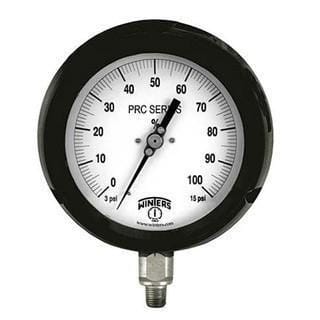
Introduction to Pressure Gauges
Pressure gauges are indispensable tools for monitoring and controlling pressure in industrial, commercial, and residential systems. From PPC process gauges to PTR tamper-resistant gauges, each type serves a unique purpose. This guide explores four essential pressure gauges, their applications, and how they ensure safety and efficiency in various operations.
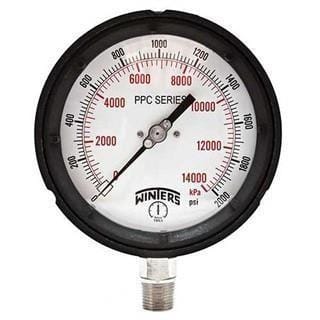
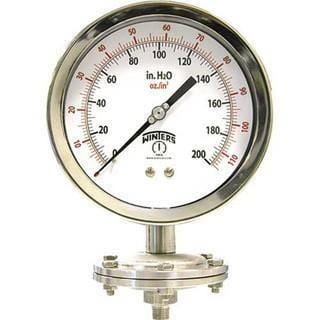
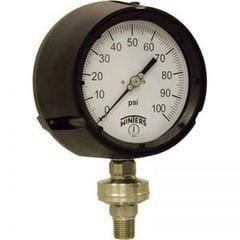
1. PPC Process Gauge: Precision for Industrial Processes
- Function: Monitor pressure in industrial processes like manufacturing and chemical processing.
- Features:
- Durable Construction: Stainless steel or brass for corrosion resistance.
- High Accuracy: Measures pressure with minimal error.
- Applications:
- Oil and gas pipelines, HVAC systems.
- Benefits: Reliable performance in harsh environments.
Keywords: PPC process gauge, industrial pressure monitoring
2. PRC Receiver Gauge: Optimizing Compressed Air Systems
- Function: Measure pressure in compressed air receivers and tanks.
- Features:
- Shock Resistance: Withstands pressure surges.
- Easy Installation: Standard mounting options.
- Applications:
- Air compressors, pneumatic systems.
- Benefits: Ensures efficient operation of compressed air systems.
Keywords: PRC receiver gauge, compressed air pressure gauge
3. PSG Shaeffer Gauge: Heavy-Duty Performance
- Function: Monitor high-pressure systems with precision.
- Features:
- Robust Design: Suitable for extreme conditions.
- Large Dial: Easy-to-read measurements.
- Applications:
- Hydraulic systems, heavy machinery.
- Benefits: High durability and accuracy under pressure.
Keywords: PSG Shaeffer gauge, hydraulic pressure gauge
4. PTR Tamper-Resistant Gauge: Security and Reliability
- Function: Prevent unauthorized adjustments in critical systems.
- Features:
- Locking Mechanism: Protects settings from tampering.
- Durable Materials: Resists wear and corrosion.
- Applications:
- Public utilities, safety-critical systems.
- Benefits: Ensures consistent performance and compliance.
Keywords: PTR tamper-resistant gauge, secure pressure monitoring
Comparison Table: Pressure Gauges
| Gauge Type | Function | Applications |
|---|---|---|
| PPC Process Gauge | Industrial pressure monitoring | Oil and gas, HVAC systems |
| PRC Receiver Gauge | Compressed air systems | Air compressors, pneumatics |
| PSG Shaeffer Gauge | High-pressure systems | Hydraulics, heavy machinery |
| PTR Tamper-Resistant | Secure pressure monitoring | Public utilities, safety systems |
How to Choose the Right Pressure Gauge
- Pressure Range: Match the gauge’s range to your system’s requirements.
- Environment: Use stainless steel gauges for corrosive settings.
- Accuracy: Opt for high-accuracy gauges for critical applications.
- Safety Features: Choose tamper-resistant gauges for secure systems.
Benefits of Quality Pressure Gauges
- Safety: Prevents overpressure and system failures.
- Efficiency: Optimizes performance by maintaining ideal pressure levels.
- Durability: Resists wear, corrosion, and harsh conditions.
FAQ Section
Q: What’s the difference between a process gauge and a receiver gauge?
A: Process gauges monitor industrial systems, while receiver gauges measure compressed air pressure.
Q: Can I use a PSG Shaeffer gauge for low-pressure systems?
A: Yes, but ensure it’s calibrated for accurate low-pressure readings.
Q: Why choose a tamper-resistant gauge?
A: It prevents unauthorized adjustments, ensuring consistent performance.
Q: How often should pressure gauges be calibrated?
A: Annually or as recommended by the manufacturer.
Conclusion
From PPC process gauges for industrial systems to PTR tamper-resistant gauges for secure monitoring, the right pressure gauge ensures safety, efficiency, and reliability. Prioritize quality, accuracy, and compliance to optimize your operations.
Upgrade your pressure monitoring systems today with the right gauges—where precision meets performance!
 English
  العربية