
Ultimate Guide to Steel & Solid Materials | Mild, Stainless, Tool Steel & More
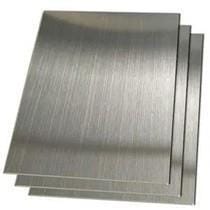
Introduction to Steel & Solid Materials
From towering skyscrapers to precision surgical tools, the choice of material directly impacts durability, efficiency, and safety. This guide dives into seven essential categories of steel and solid materials—mild steel, engineering steels, stainless steel, non-ferrous metals, tool steel, polymeric materials, and miscellaneous solids—to help you select the ideal solution for industrial, construction, or manufacturing needs.
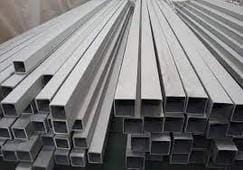
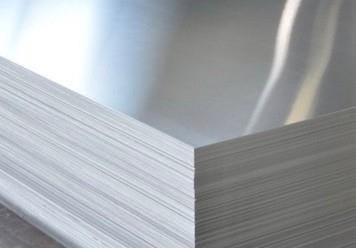
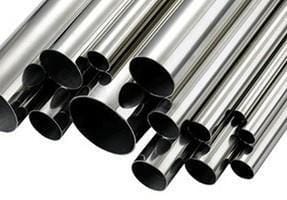
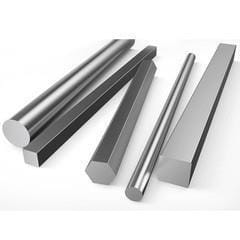
1. Mild Steel: The Versatile Foundation
- Composition: Low-carbon steel (0.05–0.25% carbon).
- Properties:
- Pros: Affordable, easy to weld and machine, high ductility.
- Cons: Prone to corrosion; requires protective coatings.
- Applications:
- Structural frameworks (beams, rebar).
- Automotive chassis, machinery parts, and pipelines.
- Keyword Focus: mild steel uses, low-carbon steel benefits
2. Engineering Steels: Precision Under Pressure
- Composition: Alloy steels with elements like chromium, nickel, or molybdenum.
- Grades: 4140, 4340, EN24.
- Properties:
- High tensile strength, wear resistance, and fatigue endurance.
- Applications:
- Aerospace components (landing gear, engine parts).
- Automotive transmissions and heavy-duty gears.
- Keyword Focus: engineering steel applications, alloy steel properties
3. Stainless Steel: Corrosion Resistance Redefined
- Composition: Iron, chromium (≥10.5%), and nickel.
- Popular Grades:
- 304: Food processing equipment, kitchen appliances.
- 316: Marine environments, chemical tanks (added molybdenum).
- Properties:
- Rust-resistant, hygienic, and aesthetically versatile.
- Applications:
- Medical instruments, architectural cladding, and marine hardware.
- Keyword Focus: stainless steel grades, 316 stainless steel uses
4. Non-Ferrous Metals: Lightweight & Corrosion-Free
- Definition: Metals without iron (e.g., aluminum, copper, titanium).
- Properties:
- Pros: Resistant to rust, lightweight, excellent conductivity.
- Cons: Generally softer than steel.
- Applications:
- Aluminum: Aircraft frames, beverage cans, automotive panels.
- Copper: Electrical wiring, plumbing systems.
- Keyword Focus: non-ferrous metals list, aluminum uses in aerospace
5. Tool Steel: Crafting Precision & Durability
- Composition: High-carbon steel with tungsten, vanadium, or cobalt.
- Types:
- HSS (High-Speed Steel): Retains hardness at high temperatures.
- D2 Steel: Exceptional wear resistance for dies and molds.
- Applications:
- Cutting tools (drill bits, saw blades).
- Injection molds and stamping dies.
- Keyword Focus: tool steel applications, HSS tools benefits
6. Polymeric Materials: Flexible & Innovative
- Types:
- Thermoplastics: Recyclable (e.g., PVC, polyethylene).
- Thermosets: Heat-resistant (e.g., epoxy, silicone).
- Properties:
- Lightweight, chemical-resistant, and electrically insulating.
- Applications:
- PVC: Plumbing pipes, medical tubing.
- Polyethylene: Packaging, insulation, and containers.
- Keyword Focus: polymeric materials examples, PVC uses
7. Miscellaneous: Advanced & Specialized Solids
- Examples:
- Composites: Carbon fiber (aerospace, sports gear).
- Ceramics: Heat-resistant components (engine parts, implants).
- Applications:
- Fiberglass: Boat hulls, automotive panels.
- Tungsten Carbide: Cutting tools, mining equipment.
- Keyword Focus: carbon fiber composites, ceramic material benefits
Comparison Table: Steel & Solid Materials
| Material | Key Properties | Best For |
|---|---|---|
| Mild Steel | Affordable, weldable | Construction, machinery |
| Stainless Steel | Corrosion-resistant | Medical tools, marine hardware |
| Tool Steel | Extreme hardness | Cutting tools, molds |
| Aluminum | Lightweight, conductive | Aerospace, packaging |
| Polyethylene | Moisture-resistant | Pipes, insulation |
| Carbon Fiber | High strength-to-weight | Automotive, sports equipment |
How to Choose the Right Material
- Environment: Use stainless steel or non-ferrous metals in corrosive settings.
- Mechanical Stress: Opt for engineering steels or tool steel for high-load applications.
- Budget: Mild steel and polymers offer cost-effective solutions.
- Regulations: Ensure compliance (e.g., food-grade stainless steel in kitchens).
Benefits of Quality Materials
- Longevity: Stainless steel and composites resist wear and environmental damage.
- Efficiency: Lightweight materials like aluminum reduce energy consumption.
- Safety: Tool steel ensures precision in critical manufacturing processes.
FAQ Section
Q: Can mild steel be galvanized?
A: Yes! Galvanizing adds a zinc layer to prevent rust.
Q: What’s the difference between 304 and 316 stainless steel?
A: 316 contains molybdenum for enhanced corrosion resistance in salty environments.
Q: Is carbon fiber stronger than steel?
A: By weight, yes—but it’s less impact-resistant and more expensive.
Q: Are polymers environmentally friendly?
A: Thermoplastics (e.g., PET) are recyclable; thermosets are not.
Conclusion
Choosing the right steel or solid material—from rugged mild steel to advanced carbon fiber—ensures optimal performance across industries. Evaluate your project’s mechanical demands, environmental conditions, and budget to make informed decisions.
Upgrade your projects with precision-engineered materials—where innovation meets reliability!
 العربية
  English