
Electronics & HVAC Solutions | Computers, Water Heaters, Motors, AC Parts & More
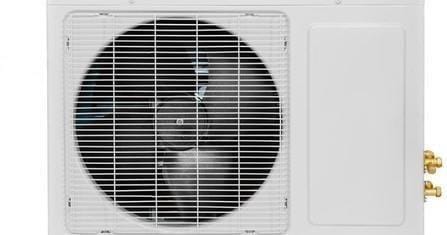
Introduction to Electronics & HVAC Systems
Modern HVAC (Heating, Ventilation, and Air Conditioning) systems rely on advanced electronics to deliver energy efficiency, comfort, and reliability. From smart thermostats to high-performance compressors, this guide breaks down six essential categories—computers, water heaters, motors, refrigerator/AC parts, transmitters, and electricals—to help you understand their roles in residential, commercial, and industrial applications.
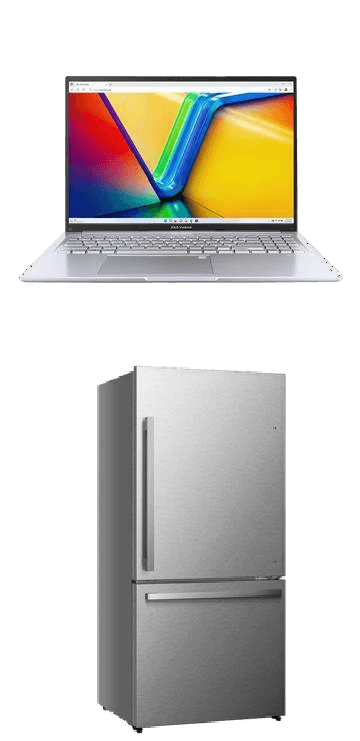
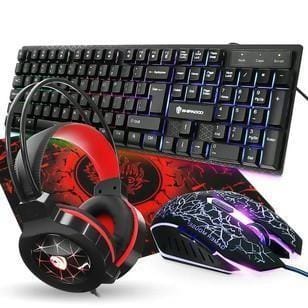
1. Computers: Smart Control for HVAC Efficiency
- Function: Computers and microprocessors automate temperature regulation and system diagnostics.
- Key Components:
- Smart Thermostats: Learn user preferences (e.g., Nest, Ecobee) to reduce energy consumption.
- Building Automation Systems (BAS): Centralized control for large-scale HVAC networks.
- Applications:
- Adjust airflow based on occupancy sensors.
- Monitor energy usage in real time.
- Benefits: Up to 30% energy savings, remote access via apps.
Keywords: HVAC control systems, smart thermostats, BAS automation
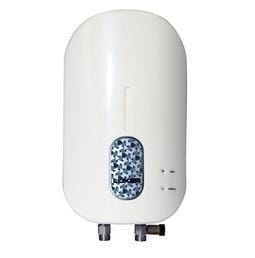
2. Water Heaters: Reliable Heating Solutions
- Types:
- Tankless (On-Demand): Energy-efficient, compact design.
- Heat Pump: Transfers ambient heat to warm water.
- Integration with HVAC:
- Hydronic heating systems for radiant floor heating.
- Solar thermal compatibility for eco-friendly setups.
- Benefits: Lower utility bills, reduced carbon footprint.
Keywords: energy-efficient water heaters, HVAC hydronic systems
3. Motors & Compressors: Powering HVAC Systems
- HVAC Motors:
- ECM Motors: Electronically commutated motors for variable speed control.
- Blower Motors: Circulate air through ducts efficiently.
- Compressors:
- Scroll Compressors: Quiet, durable (common in AC units).
- Reciprocating Compressors: High capacity for refrigeration.
- Applications:
- Maintain refrigerant pressure in ACs and refrigerators.
- Ensure consistent airflow in ventilation systems.
Keywords: ECM motors, scroll compressors, HVAC blower motors
4. Refrigerator & Air Conditioner Spare Parts
- Common Replacement Parts:
- Capacitors: Start motors and compressors.
- Evaporator/Condenser Coils: Facilitate heat exchange.
- Thermal Expansion Valves (TXV): Regulate refrigerant flow.
- Benefits of Genuine Parts:
- Restore cooling efficiency.
- Extend appliance lifespan.
Keywords: AC replacement parts, refrigerator components
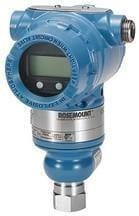
5. Transmitters & Thermometers: Precision Monitoring
- Types:
- Temperature Transmitters: Relay data to HVAC control systems.
- Wireless Sensors: Monitor humidity, air quality, and pressure.
- Applications:
- Prevent overheating in industrial machinery.
- Maintain food safety in commercial refrigeration.
- Benefits: Real-time alerts, predictive maintenance.
Keywords: HVAC temperature sensors, wireless transmitters
6. Different Electricals: Wiring & Safety Components
- Essential Electrical Parts:
- Circuit Breakers: Protect against overloads (e.g., 15–20A models).
- Contactors: Control power to motors and compressors.
- Wiring Harnesses: Ensure secure connections in HVAC units.
- Safety Standards:
- NEC (National Electrical Code) compliance.
- UL-listed components for fire resistance.
Keywords: HVAC electrical components, NEC compliance
Comparison Table: Key HVAC Components
| Component | Function | Example Products |
|---|---|---|
| Smart Thermostat | Temperature automation | Nest Learning Thermostat |
| Scroll Compressor | Refrigerant compression | Copeland Scroll™ |
| Tankless Water Heater | On-demand hot water | Rinnai RU199iN |
| ECM Motor | Energy-efficient airflow | GE ECM 2.3 |
How to Optimize Your HVAC System
- Upgrade Controls: Install smart thermostats for adaptive heating/cooling.
- Maintain Components: Replace filters, capacitors, and coils regularly.
- Choose Energy Star: Opt for certified water heaters and AC units.
Benefits of Modern Electronics in HVAC
- Energy Savings: Smart systems reduce wasted power.
- Enhanced Comfort: Precise temperature and humidity control.
- Longevity: Quality parts minimize breakdowns.
FAQ Section
Q: How do smart thermostats improve HVAC efficiency?
A: They learn schedules and adjust settings automatically, reducing idle runtime.
Q: What are signs of a failing compressor?
A: Loud noises, inadequate cooling, or tripped circuit breakers.
Q: Can I retrofit old HVAC systems with new electronics?
A: Yes! Smart thermostats and ECM motors are often compatible with older units.
Conclusion
From energy-saving computers to robust compressors, integrating quality electronics and HVAC components ensures peak performance and sustainability. Prioritize regular maintenance and certified upgrades to enhance comfort and reduce costs.
Transform your HVAC system today with cutting-edge electronics and reliable components—where innovation meets comfort!
 English
  العربية