
Grease & Oils Guide: Hydraulic Fluids, Engine Oils, Greases, Gear Oils | Types & Uses
Introduction to Grease & Oils: The Lifeline of Machinery
Greases and oils are critical for reducing friction, preventing wear, and enhancing the efficiency of industrial, automotive, and electrical systems. From hydraulic fluids powering heavy machinery to heavy-duty diesel engine oils ensuring engine longevity, selecting the right lubricant is key. This guide breaks down nine essential grease and oil types, their applications, and how to choose the best option for your needs.
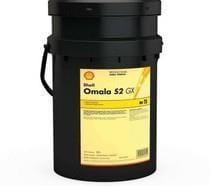
1. Hydraulic Fluid
- Function: Transmits power in hydraulic systems while lubricating components.
- Types: Mineral-based, synthetic, and biodegradable.
- Applications: Excavators, forklifts, industrial presses.
- Benefits: High-pressure resistance, thermal stability, and anti-wear additives.
- Standards: ISO viscosity grades (e.g., ISO 32, ISO 46).
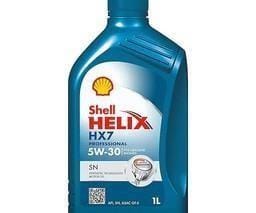
2. Power Engine Oils
- Function: Lubricate internal combustion engines to reduce friction and heat.
- Types:
- Gasoline Engine Oils: API SP/SN-rated for passenger vehicles.
- Heavy-Duty Diesel Engine Oils: API CK-4/FA-4 for trucks and machinery.
- Benefits: Detergents prevent sludge; antioxidants reduce oxidation.
- Viscosity: SAE 5W-30, 10W-40 (varies by climate and engine type).
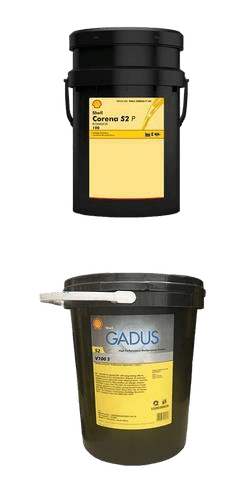
3. Greases
- Function: Provide long-lasting lubrication in high-friction areas.
- Types: Lithium-based, calcium-based, and synthetic greases.
- Applications: Bearings, chassis, and marine equipment.
- NLGI Grades: Ranges from #000 (fluid) to #6 (solid) for consistency.
4. Gear Oils
- Function: Protect gears from wear and pitting under extreme pressure.
- Types: EP (Extreme Pressure) oils for automotive and industrial gears.
- Applications: Differentials, gearboxes, wind turbines.
- Standards: API GL-5, SAE 75W-90.
5. Electrical Oils (Insulating Oils)
- Function: Insulate and cool transformers and switchgear.
- Types: Mineral oil, silicone-based, and bio-based fluids.
- Benefits: High dielectric strength, oxidation resistance.
- Applications: Power transformers, circuit breakers.
6. Gasoline Engine Oils
- Features: Formulated for spark-ignition engines.
- Additives: Detergents, dispersants, and friction modifiers.
- Viscosity: Common grades include SAE 0W-20 (modern cars) and 10W-40 (older engines).
7. Turbine Oils
- Function: Lubricate turbines and protect against oxidation.
- Properties: High thermal stability, rust inhibition.
- Applications: Steam turbines, gas turbines, hydroelectric plants.
- Standards: ISO 32/46, DIN 51515.
8. Heat Transfer Oils
- Function: Transfer heat in industrial heating systems.
- Types: Synthetic, mineral, and silicone-based oils.
- Applications: Food processing, chemical manufacturing, solar thermal systems.
- Benefits: Operate at high temps (up to 400°C) without degrading.
9. Heavy-Duty Diesel Engine Oils
- Features: High detergent content for soot control.
- Applications: Commercial trucks, construction equipment, agricultural machinery.
- Standards: API CK-4, ACEA E9.
Benefits of Using the Right Grease & Oils
- Extended Equipment Life: Reduces wear and corrosion.
- Energy Efficiency: Lowers friction, saving fuel and power.
- Operational Safety: Prevents overheating and mechanical failure.
How to Choose the Right Lubricant
- Check Manufacturer Specifications: Match viscosity and API/ISO standards.
- Consider Operating Conditions: Temperature, load, and environment.
- Prioritize Quality: Synthetic oils outperform conventional in extreme conditions.
Maintenance Tips
- Monitor Oil Levels: Regularly check and top up fluids.
- Change Intervals: Follow OEM guidelines (e.g., every 5,000 miles for engine oil).
- Inspect for Contamination: Look for discoloration or particles in oils.
FAQ Section
Q: How often should I replace hydraulic fluid?
A: Every 1,000–2,000 operating hours, depending on usage and contamination.
Q: Can I mix synthetic and conventional oils?
A: Not recommended—stick to one type to avoid additive conflicts.
Q: What’s the difference between grease and oil?
A: Grease is oil thickened with a soap base; it stays in place, while oil flows freely.
Conclusion
Selecting the right grease or oil—whether for hydraulic systems, engines, or turbines—ensures peak performance and longevity. Prioritize quality, adhere to standards, and follow maintenance schedules to safeguard your machinery.
Upgrade your maintenance strategy today with the right grease and oils!
 English
  العربية