
Safety Products Guide: PPE for Eyes, Ears, Helmets, Fall Protection & More | OSHA-Compliant
Introduction to Safety Products: Protecting Lives in Hazardous Environments
In high-risk industries like construction, manufacturing, and healthcare, safety products are non-negotiable for preventing injuries and ensuring compliance with OSHA standards. From eye protection and safety helmets to fall protection and respiratory gear, this guide explores eight essential categories of Personal Protective Equipment (PPE) to safeguard workers and optimize workplace safety.
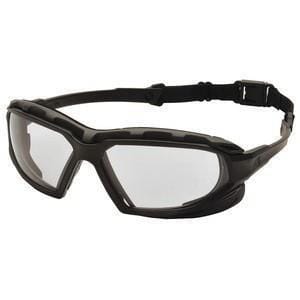
1. Eye & Face Protection
- Function: Shield against debris, chemicals, and radiation.
- Types:
- Safety Goggles: Seal around the eyes for chemical splashes (e.g., ANSI Z87.1-rated).
- Face Shields: Protect against sparks, grinding particles, and biohazards.
- Welding Helmets: Auto-darkening lenses for arc flash protection.
- Applications: Laboratories, welding, healthcare.
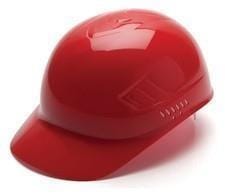
2. Safety Helmets (Hard Hats)
- Function: Protect against head injuries from falling objects or impacts.
- Types:
- Type I: Top-impact protection (construction sites).
- Type II: Additional lateral protection (forestry, utilities).
- Features: Adjustable suspensions, UV resistance, and accessory slots for lights or face shields.
- Standards: ANSI/ISEA Z89.1-certified.
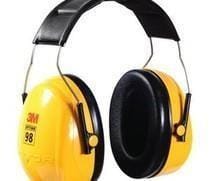
3. Hearing Protection
- Function: Prevent noise-induced hearing loss (NIHL) in high-decibel environments.
- Types:
- Earplugs: Disposable foam or reusable silicone (NRR 22–33 dB).
- Earmuffs: Over-ear protection with higher Noise Reduction Rating (NRR 30+ dB).
- Applications: Factories, airports, mining.
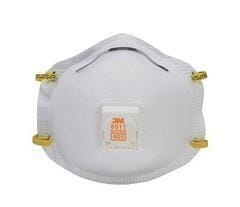
4. Respiratory Protection
- Function: Filter harmful particles, gases, or vapors.
- Types:
- N95 Respirators: Protect against dust and aerosols (healthcare, construction).
- Half/Full-Face Respirators: Cartridge-based systems for chemicals (pesticides, painting).
- PAPR (Powered Air-Purifying Respirators): Battery-powered airflow for long-term use.
- Standards: NIOSH-approved (N95, P100).
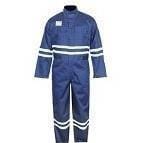
5. Workwear
- Function: Protect against heat, chemicals, and visibility issues.
- Types:
- Flame-Resistant (FR) Clothing: For welding or electrical work.
- High-Visibility Apparel: Reflective vests/jackets for roadwork.
- Chemical-Resistant Coveralls: For labs and hazardous material handling.
- Standards: NFPA 70E (arc flash), ANSI/ISEA 107 (high-vis).
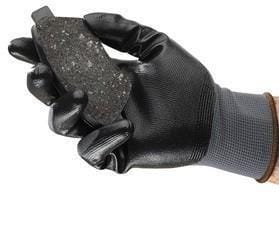
6. Hand Protection (Gloves)
- Function: Shield hands from cuts, chemicals, and extreme temperatures.
- Types:
- Cut-Resistant Gloves: Kevlar or stainless steel mesh (glass handling, metalwork).
- Chemical-Resistant Gloves: Nitrile, neoprene, or butyl rubber (cleaning, labs).
- Heat-Resistant Gloves: For foundries or welding.
- EN Ratings: EN 388 (mechanical risks), EN 374 (chemicals).
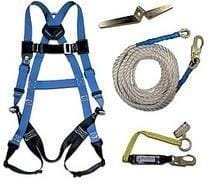
7. Fall Protection Systems
- Function: Prevent falls from heights and minimize injury.
- Components:
- Harnesses: Full-body designs with D-rings.
- Lanyards & Lifelines: Shock-absorbing or self-retracting.
- Anchor Points: Fixed or mobile systems for rooftops.
- Standards: OSHA 1926.501, ANSI Z359.1.
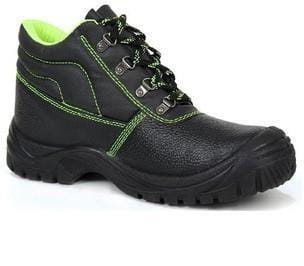
8. Safety Shoes & Boots
- Function: Protect feet from impacts, punctures, and electrical hazards.
- Types:
- Steel-Toe Boots: For heavy machinery and construction.
- Composite-Toe Shoes: Lightweight, non-metallic (airport security-friendly).
- Electrical Hazard (EH) Boots: Insulate against live circuits.
- Standards: ASTM F2413-18, ISO 20345.
How to Choose the Right Safety Products
- Assess Workplace Hazards: Identify risks (chemicals, heights, noise).
- Compliance: Ensure OSHA, ANSI, or EN standards are met.
- Comfort & Fit: Prioritize adjustable, breathable designs for all-day use.
- Durability: Opt for abrasion-resistant materials in harsh environments.
Benefits of Quality Safety Products
- Reduced Injury Rates: Prevent costly accidents and downtime.
- Regulatory Compliance: Avoid fines and legal liabilities.
- Employee Morale: Foster a culture of safety and trust.
FAQ Section
Q: How often should safety helmets be replaced?
A: Replace after a significant impact or every 5 years, even if undamaged.
Q: Can I reuse disposable N95 respirators?
A: NIOSH recommends limited reuse if not soiled or damaged.
Q: What’s the difference between Type I and Type II safety helmets?
A: Type II helmets offer side-impact protection, while Type I focuses on top impacts.
Q: Are cut-resistant gloves slash-proof?
A: No—they reduce injury risk but aren’t fully slash-proof. Check EN 388 cut levels (1–5).
Conclusion
Investing in the right safety products—from respiratory protection and safety shoes to fall arrest systems—is vital for safeguarding workers and maintaining productivity. Prioritize OSHA-compliant, high-quality PPE tailored to your industry’s risks. Regular training and equipment inspections further enhance workplace safety.
Upgrade your safety protocols today with reliable PPE and protect what matters most—your team!
 English
  العربية